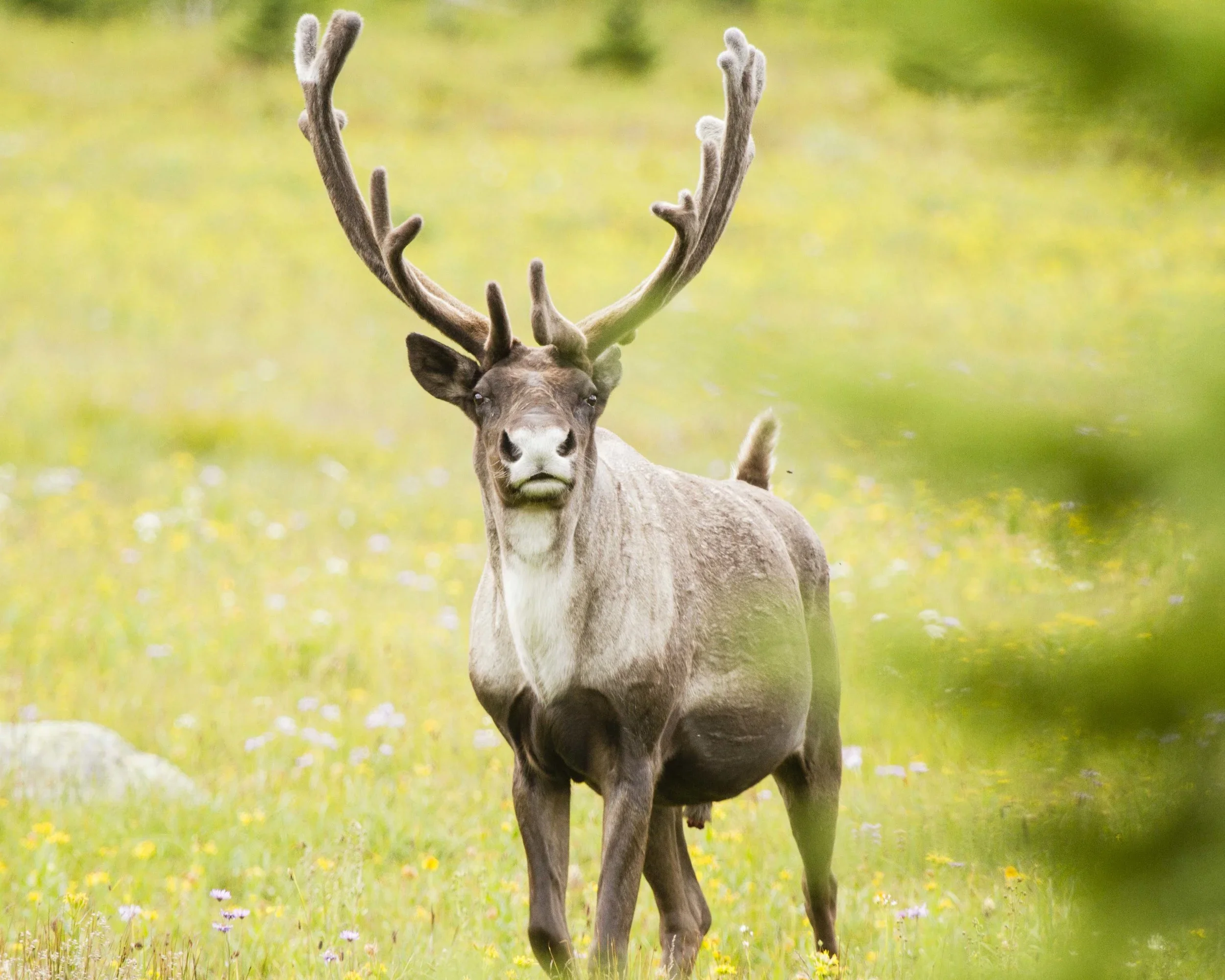
CARIBOU
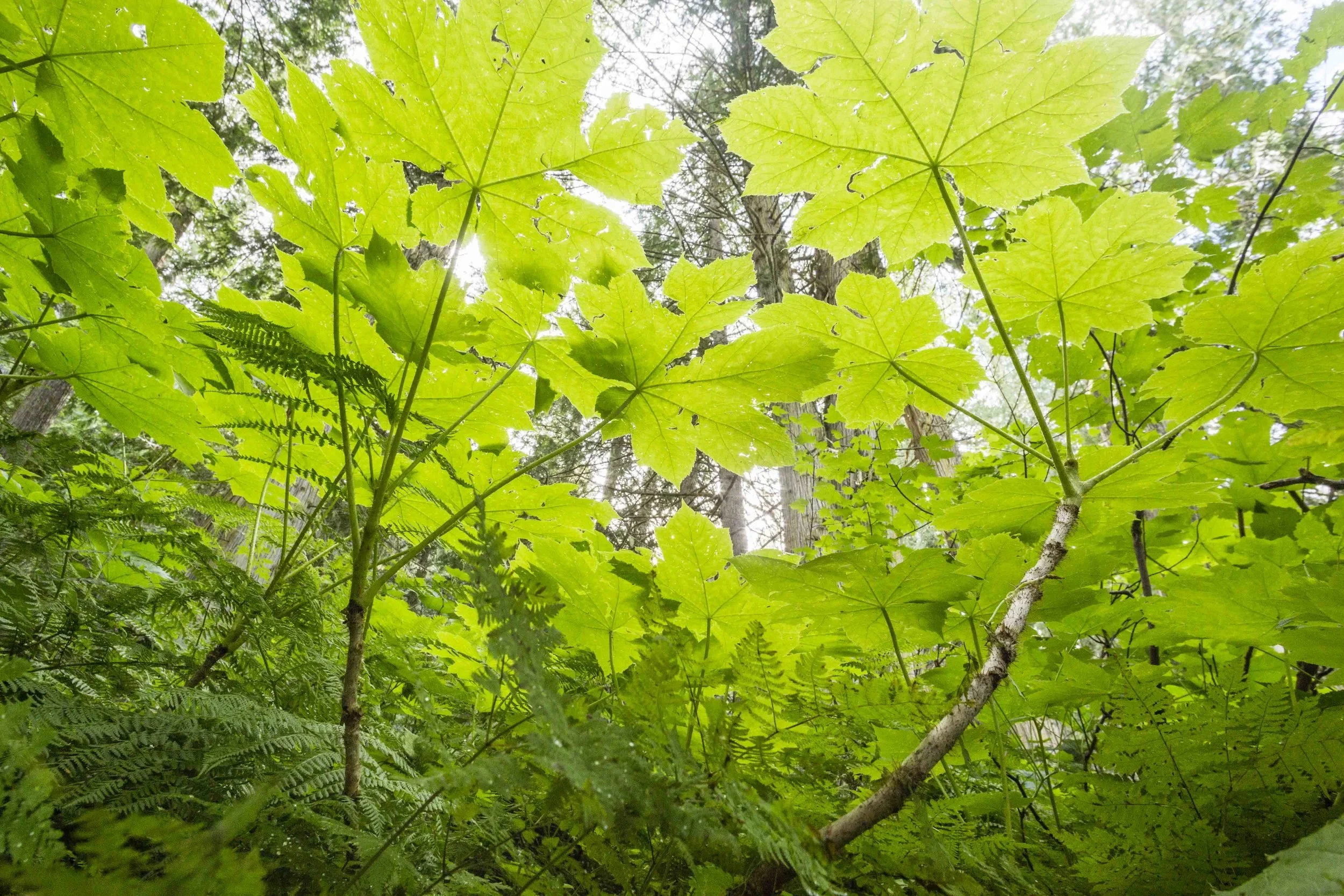
RAINFOREST
Protecting the largest remaining inland temperature rainforest on earth.

Protecting the largest remaining inland temperature rainforest on earth.
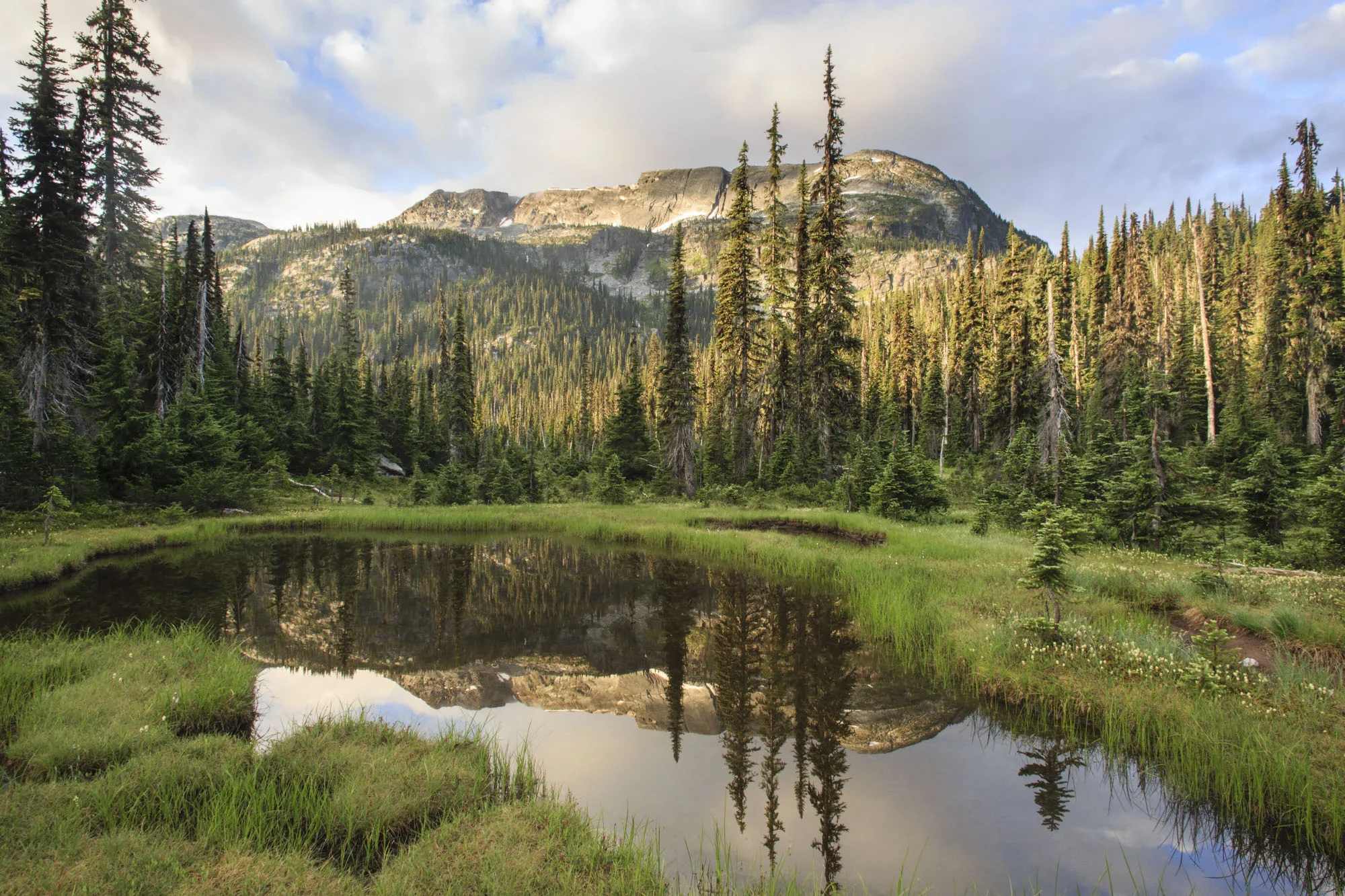
Hidden in the interior of the Pacific Northwest
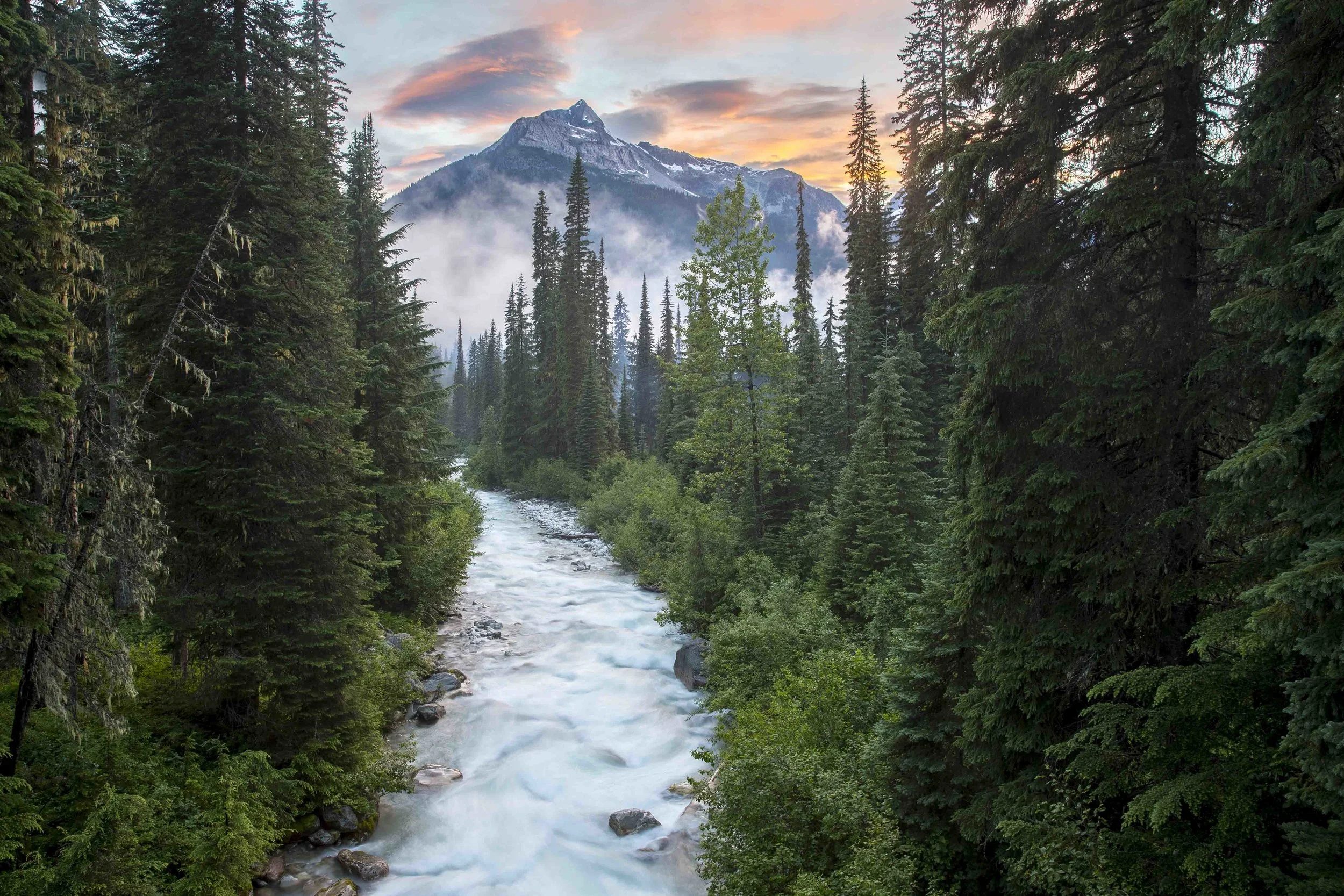
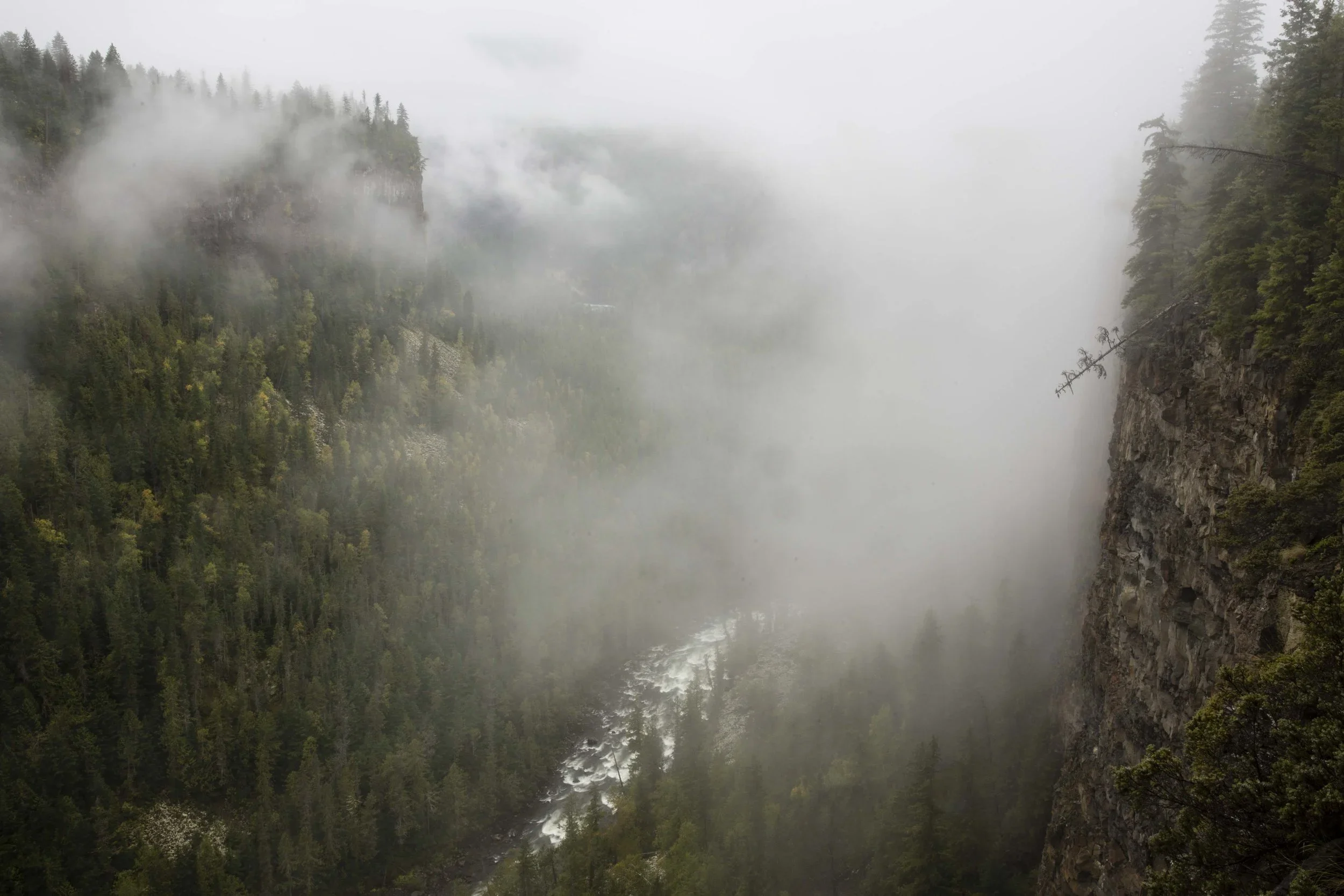
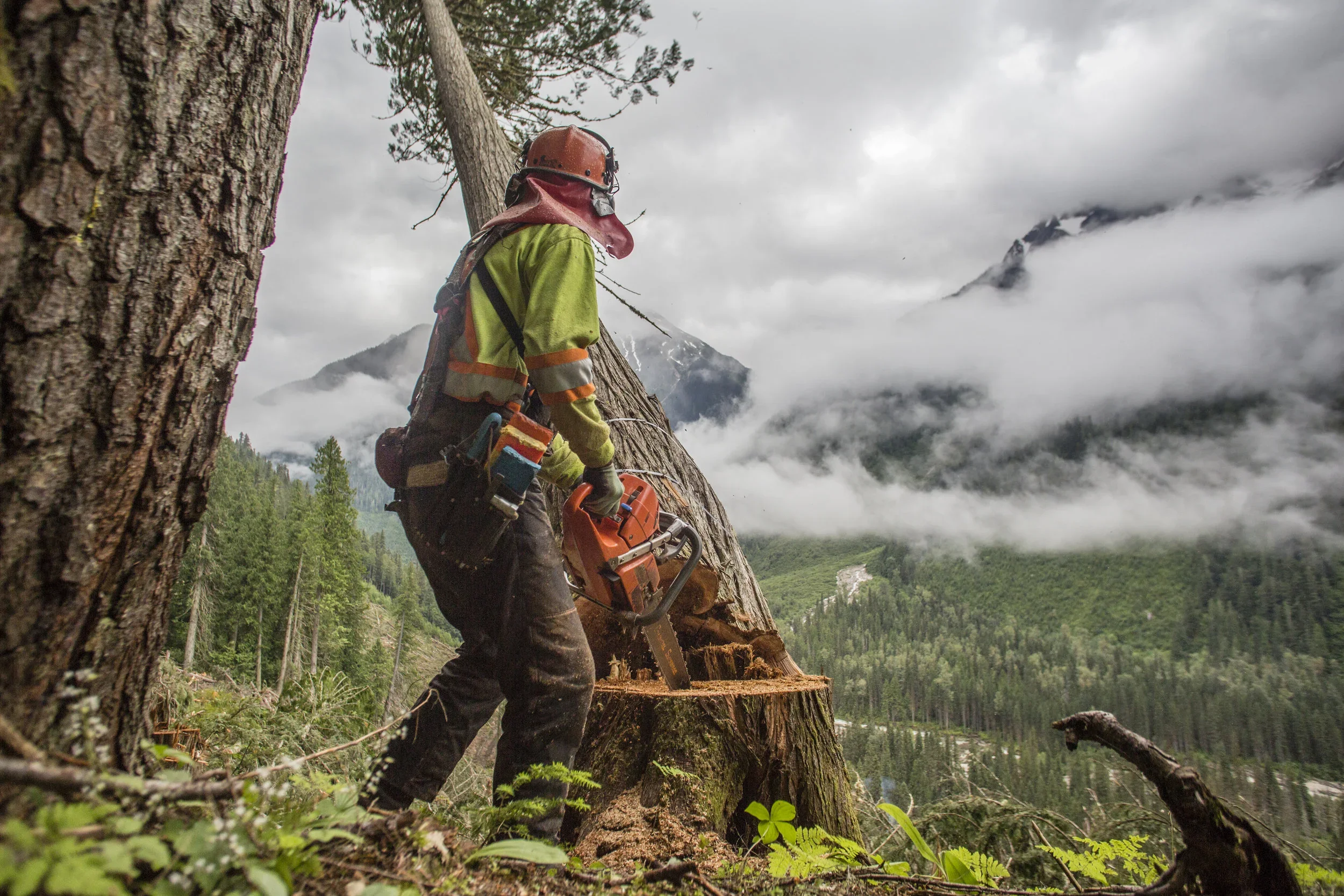
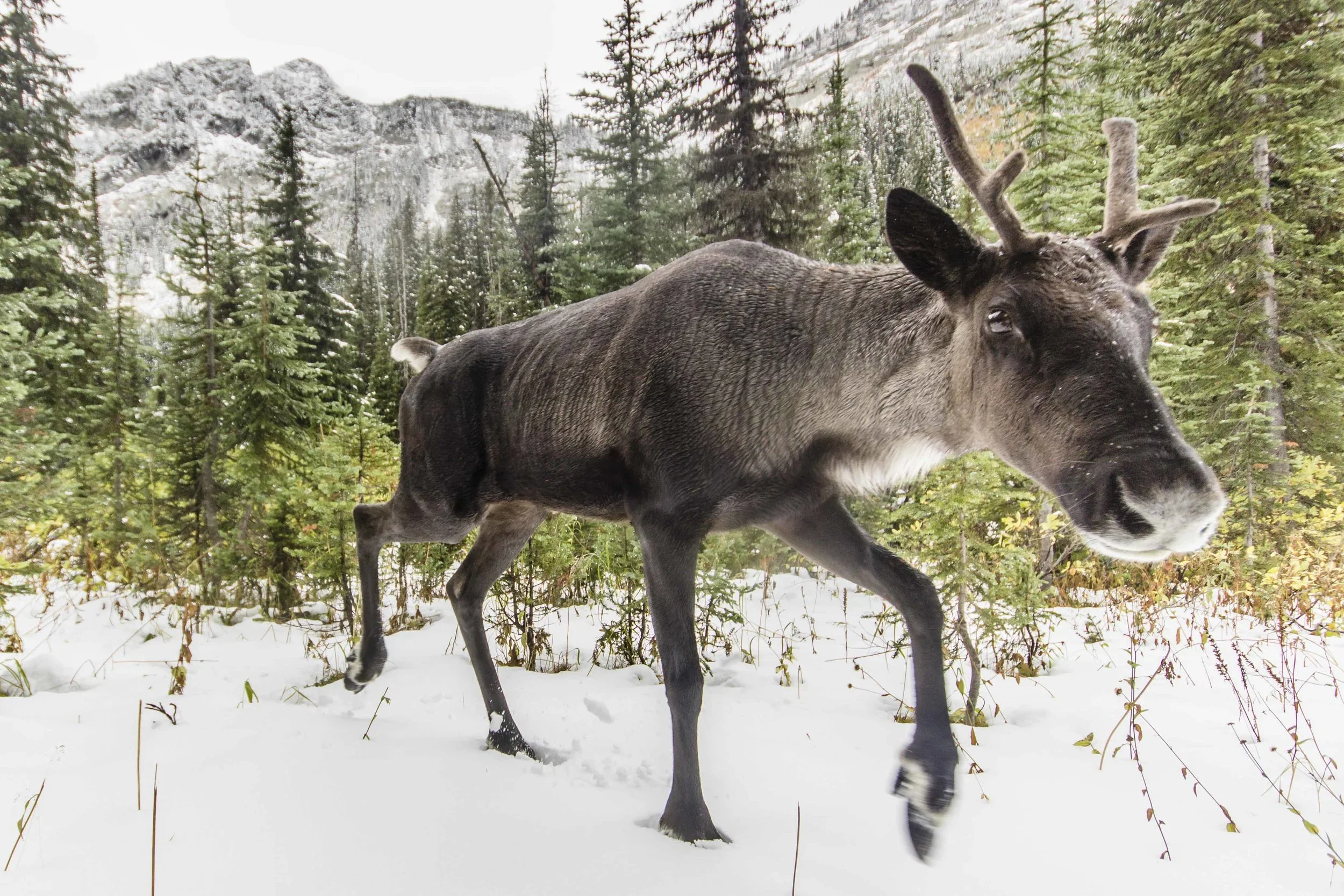
is the largest remaining inland temperate rainforest on earth. This magnificent landscape is home to numerous First Nations communities, thousand year old trees and critical habitat for endangered species like mountain caribou. However, industrial development has pushed this ecosystem to the tipping point.
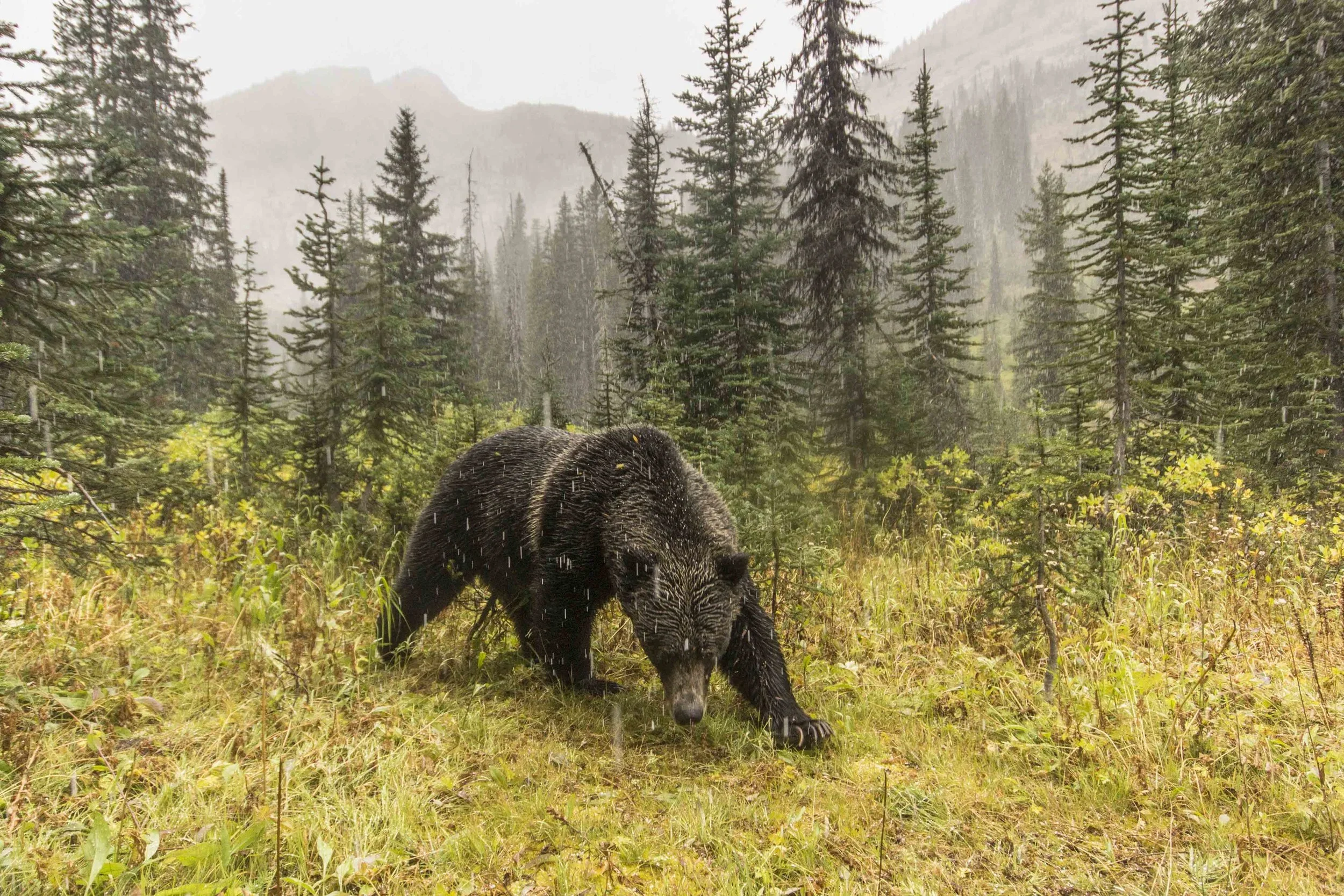
While these creatures are rugged and resilient
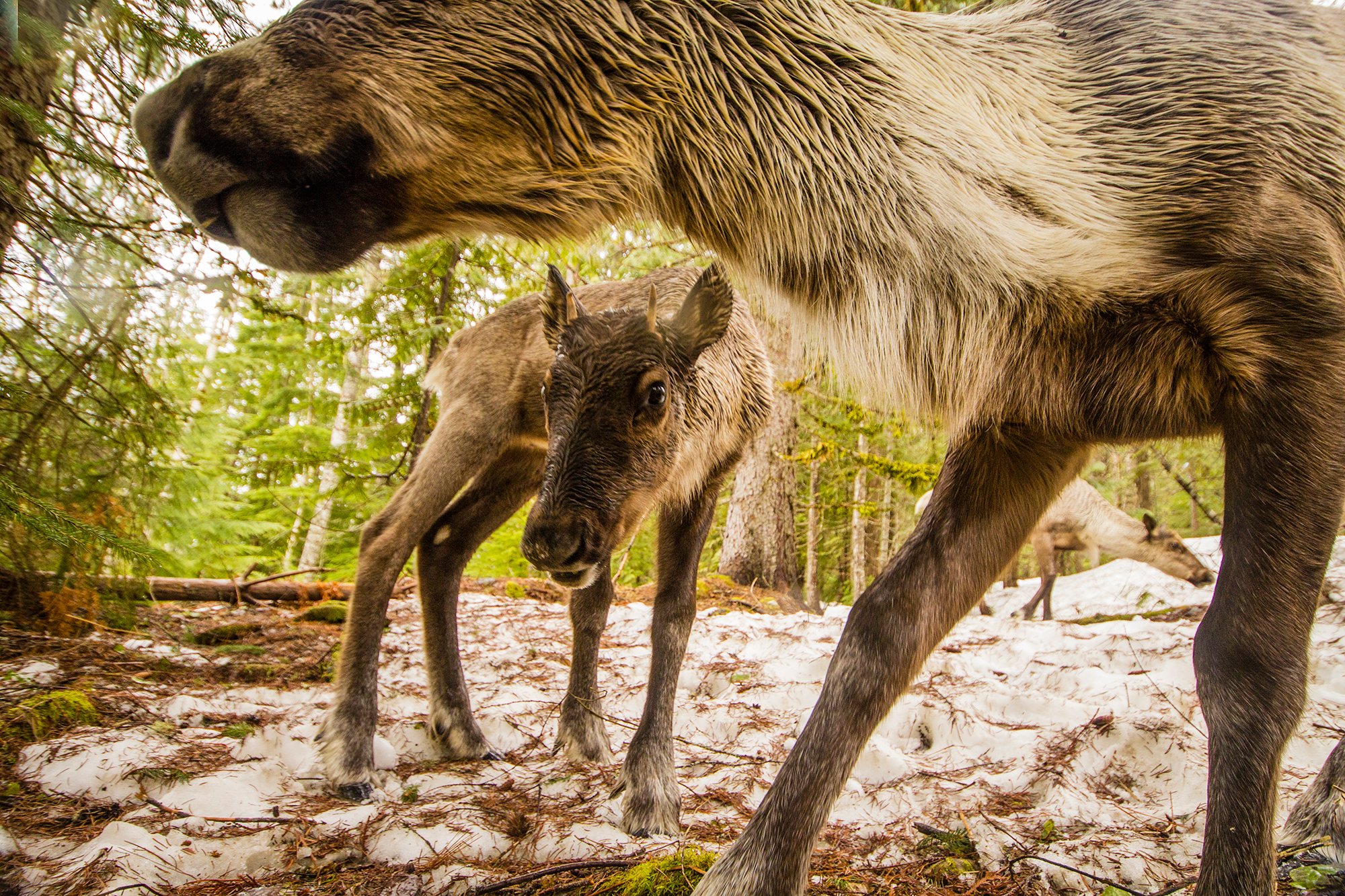
they are vulnerable to the pressure of human activities on their habitat. Industrial logging, habitat fragmentation, changes in predator-prey dynamics caused by human uses of the landscape, and winter recreation in their high mountain winter home, are among the leading stressors.
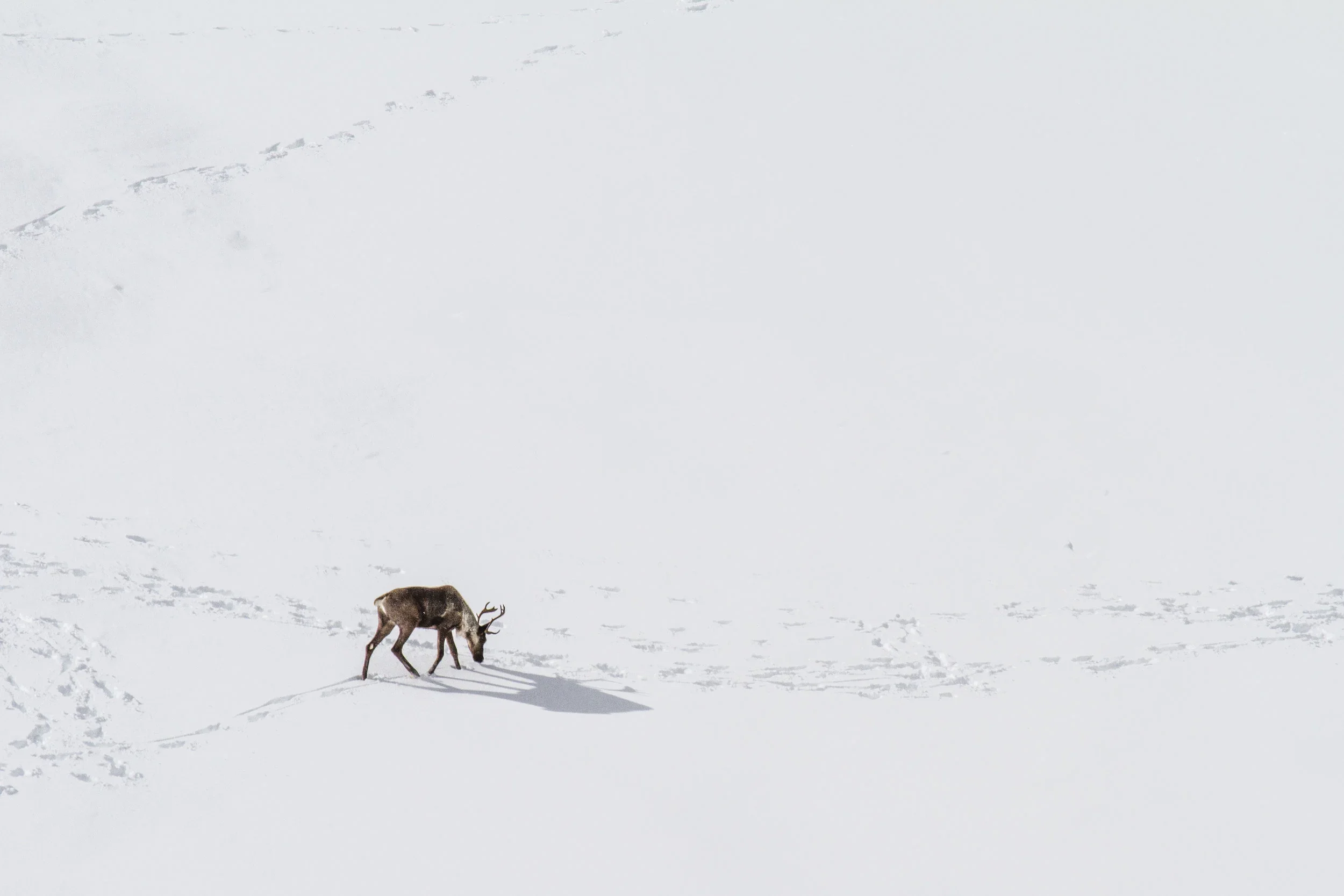
A population on the brink
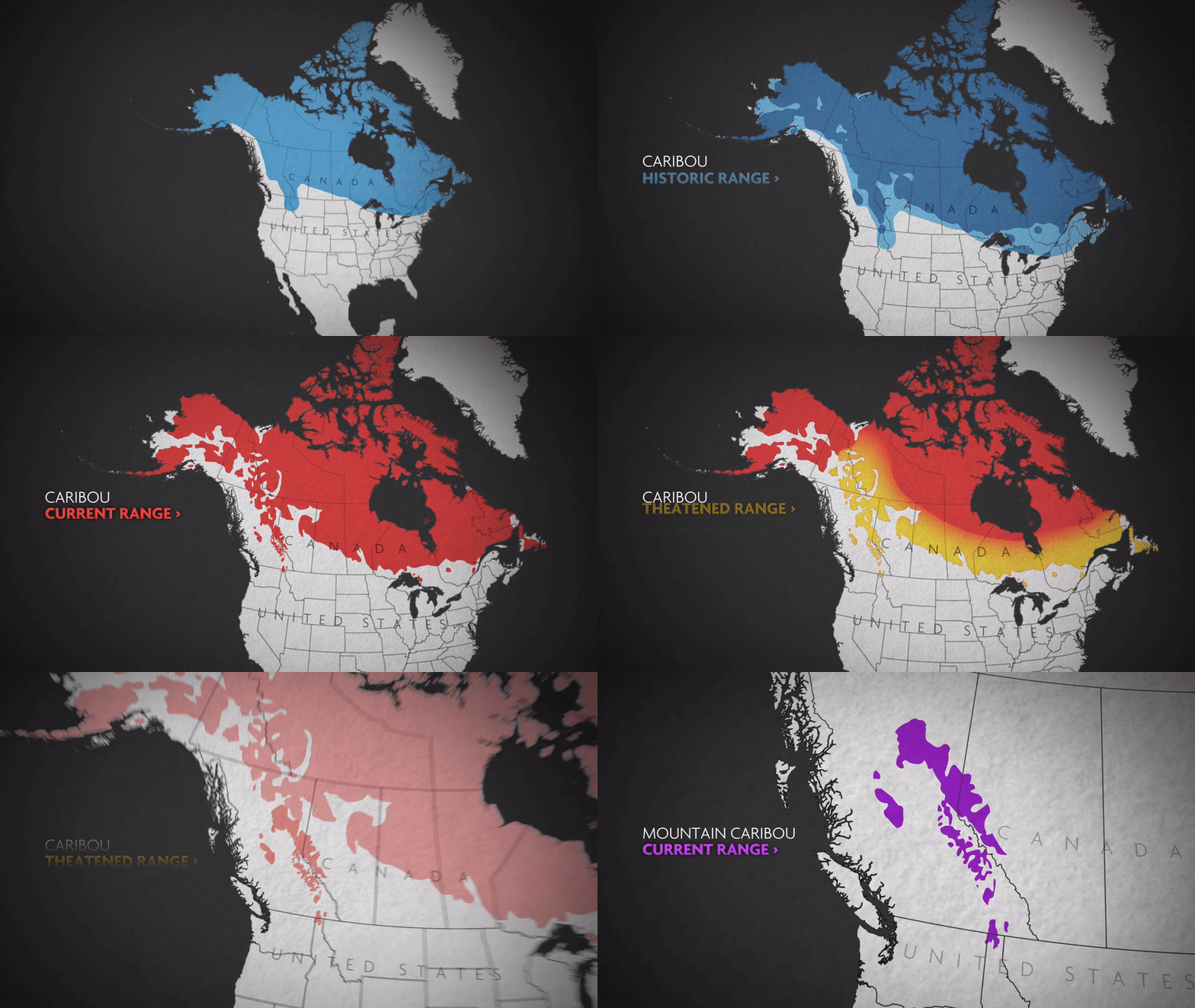
With the last herd of mountain caribou in the US extirpated from the wild in 2019, the total population of mountain caribou is estimated at less than 1500 across all of British Columbia and has been in steady decline for decades.
The world’s last remaining inland temperate rainforest and one of the planet’s most unique populations of caribou is threatened today by unsustainable industrial logging and other resource extraction activities. Help create a future that works for ancient forests, caribou and people alike.
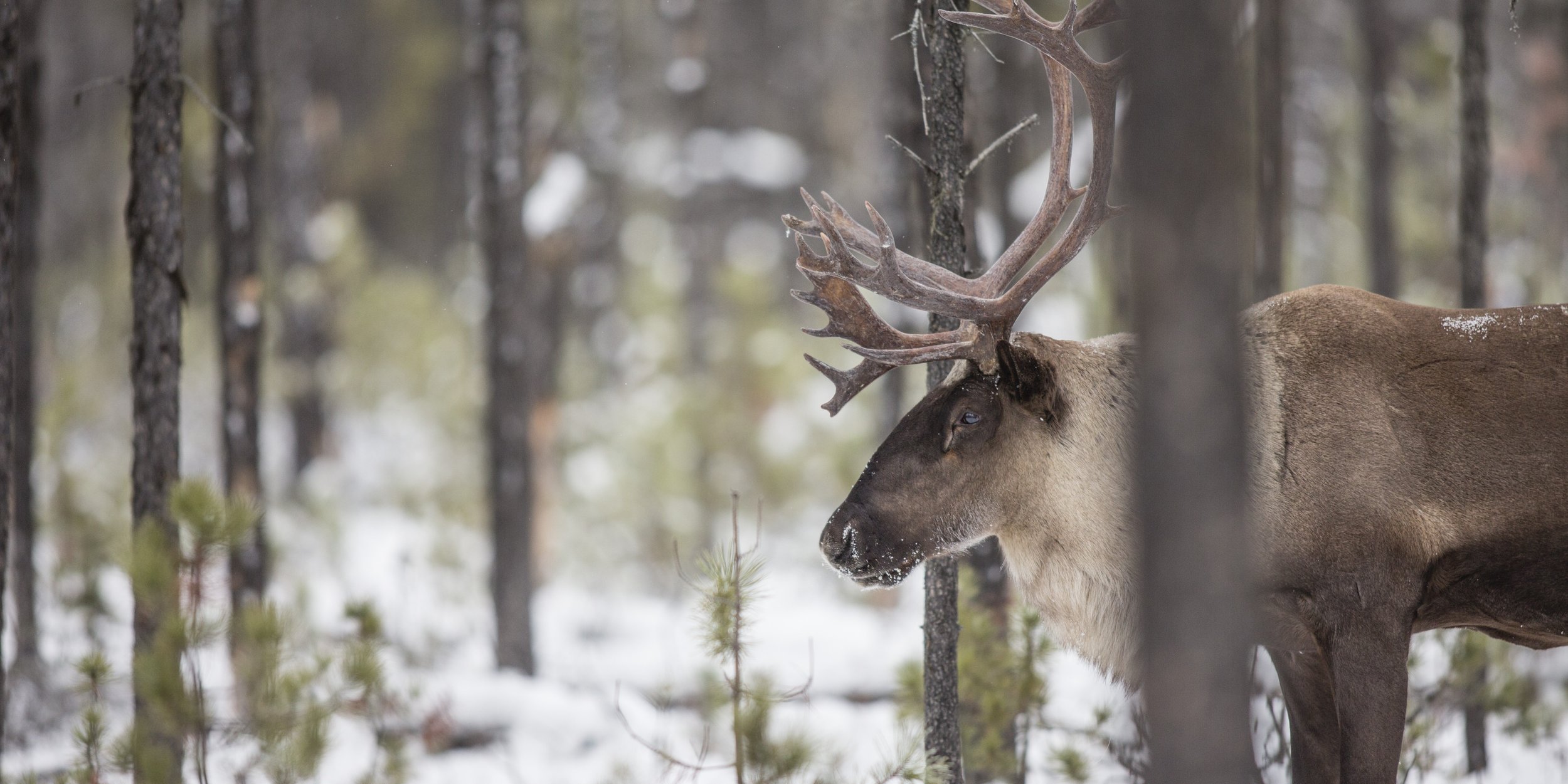
In a North American rainforest, that few people even know exists, about a dozen dwindling herds of caribou are struggling to survive.
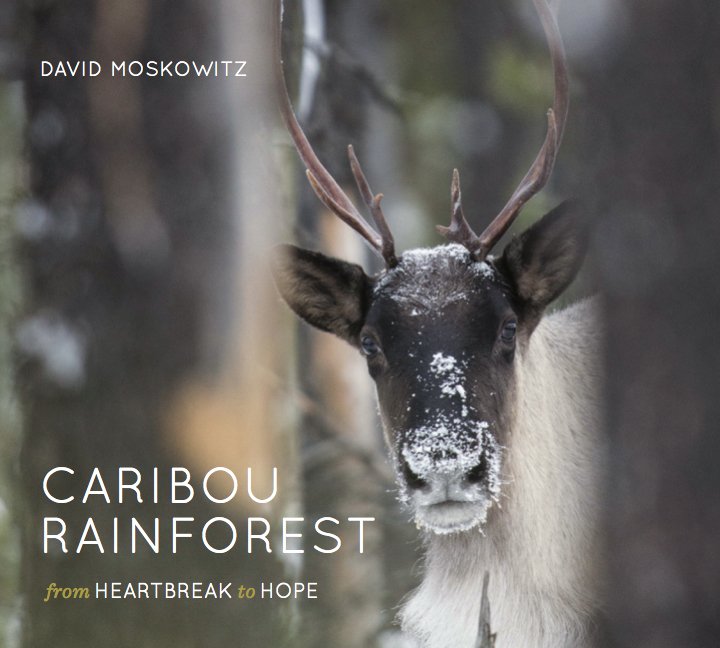
Caribou Rainforest doesn’t tell an easy story, ask easy questions, or pretend that there are easy solutions to the possible extinction of the last mountain caribou herds found in Canada and the United States. Yet what Caribou Rainforest does—with photographs, words, and science—is explain why this is happening, so that as a community we don’t repeat our mistakes, even when our intentions are good
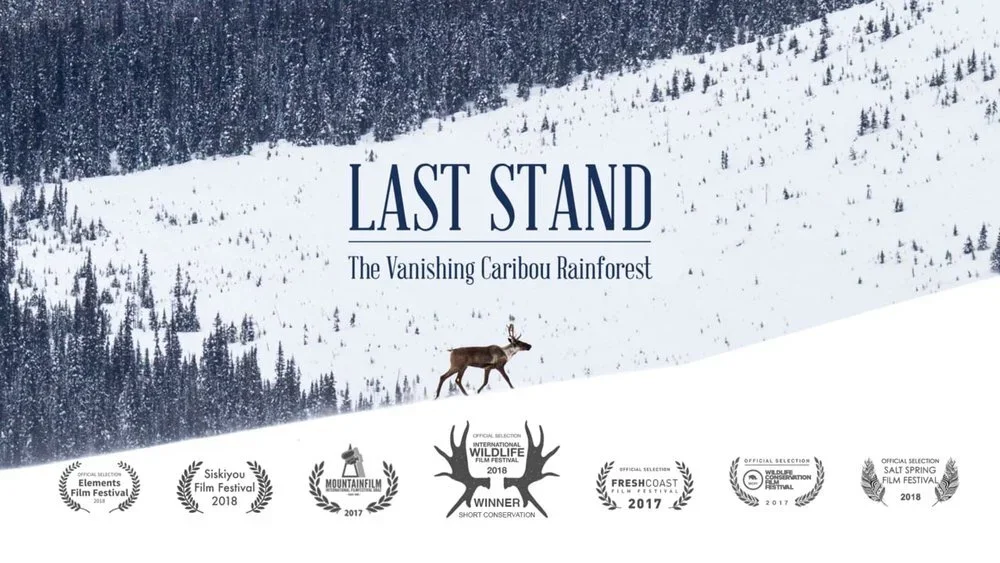
Hidden in the interior of the Pacific Northwest is the largest remaining inland temperate rainforest on earth. This magnificent landscape is home to numerous First Nations communities, thousand year old trees and critical habitat for endangered species like mountain caribou. However, industrial development has pushed this ecosystem to the tipping point. The 34 minute documentary “Last Stand” puts the Caribou Rainforest on the map before it’s too late.
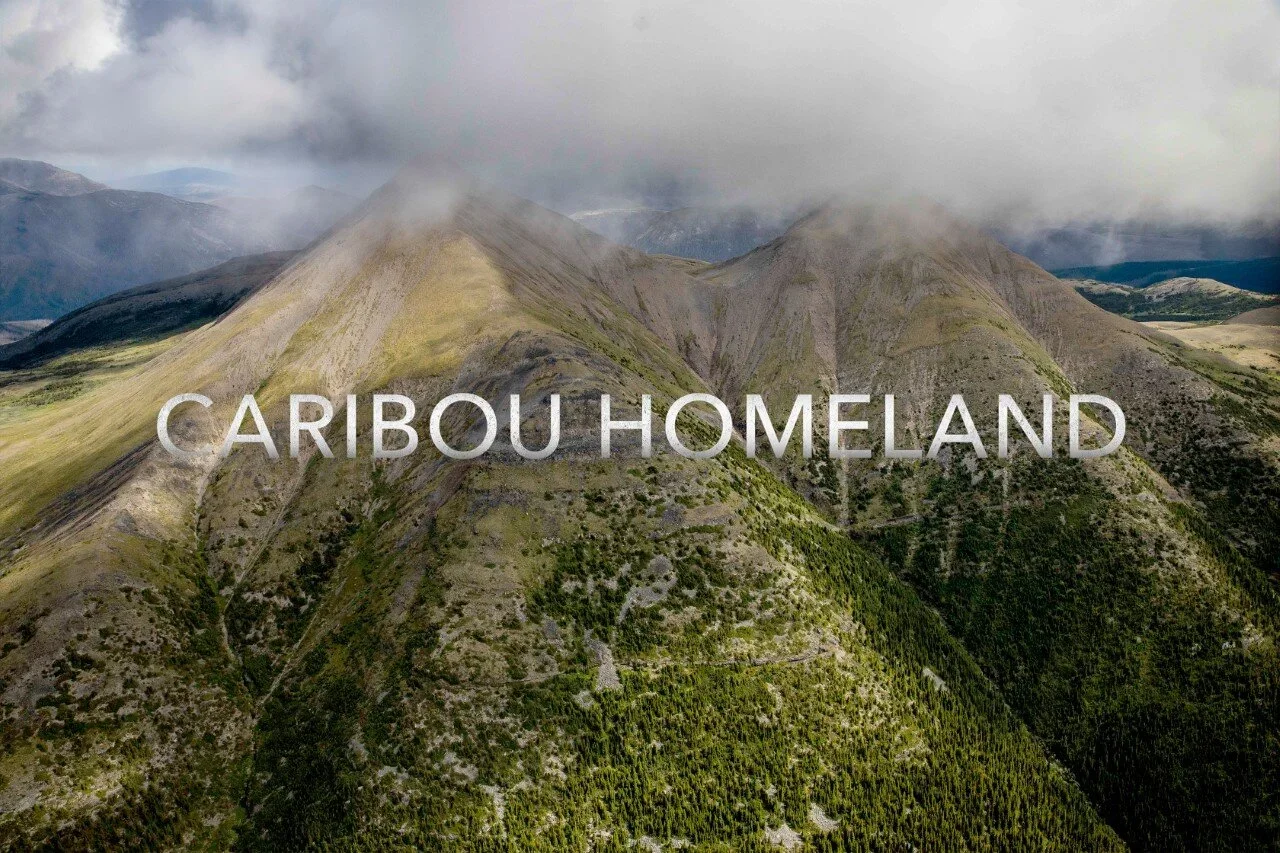
Two First Nations in western Canada come together to protect an iconic animal they’ve relied upon for countless generations. "Caribou Homeland”, an 11-minute short film, offers a glimpse into the multi-faceted, Indigenous led, conservation project that has created the most successful caribou recovery program in North America. The West Moberly and Saulteau First Nations’ work to restore mountain caribou, food sovereignty and their traditional cultures is a unique and poignant bright spot on the conservation map.
(UN)CLEARCUT. Photography and text by David Moskowitz. Earth Island Journal. Winter 2020.
SAVING CARIBOU AND PRESERVING FOOD TRADITIONS AMONG CANADA’S FIRST NATIONS. Photography and text by David Moskowitz. Civil Eats. October 29, 2020.
THE SECRET TO CARIBOU RECOVERY? INDIGENOUS LEADERSHIP. Photography by David Moskowitz and others. Article by Amanda Follett Hosgood. The Tyee. September 25, 2020.
THE CONTIGUOUS UNITED STATES JUST LOST ITS LAST WILD CARIBOU. Photography and text by David Moskowitz. Science Magazine. January 17, 2019.
WHO'S AFRAID OF THE BIG BAD WOLF SCIENTIST. Photography by David Moskowitz and others. Article by Chris Solomon. The New York Times Magazine. July 5, 2018.
GRAY GHOSTS, THE LAST CARIBOU IN THE LOWER 48 STATES, ARE ‘FUNCTIONALLY EXTINCT’. Photograph by David Moskowitz. Text by Jim Robbins. The New York Times. April 14, 2018.
OUT OF TIME? MOUNTAIN CARIBOU ARE VANISHING BUT CONSERVATIONISTS AREN’T GIVING UP. Photography by David Moskowitz. Text by Lynne Warren. National Wildlife Federation Magazine. October 19, 2017.
AMERICA'S GRAY GHOSTS: THE DISAPPEARING CARIBOU. Photography by David Moskowitz. Text by Jim Robbins. The New York Times. October 3, 2016.
IN CANADA, MOUNTAIN CARIBOU RECOVERY FALTERS. Text and photo essay by David Moskowitz. High Country News. October 31, 2016.
THE LAST STAND OF THE MOUNTAIN CARIBOU. Text and photography by David Moskowitz. Seattle Magazine. July 2016.
Caribou Rainforest is a team of wildlife trackers, photographers and filmmakers collaborating to tell the dramatic story of the crumbling world of mountain caribou in western Canada and the northwestern United States. Mountain caribou serve as a “canary in the coal mine”, their continued decline reflecting pressure from human resource extraction, recreation activities, and climate change on the remote and beautiful landscapes that these majestic caribou call home.
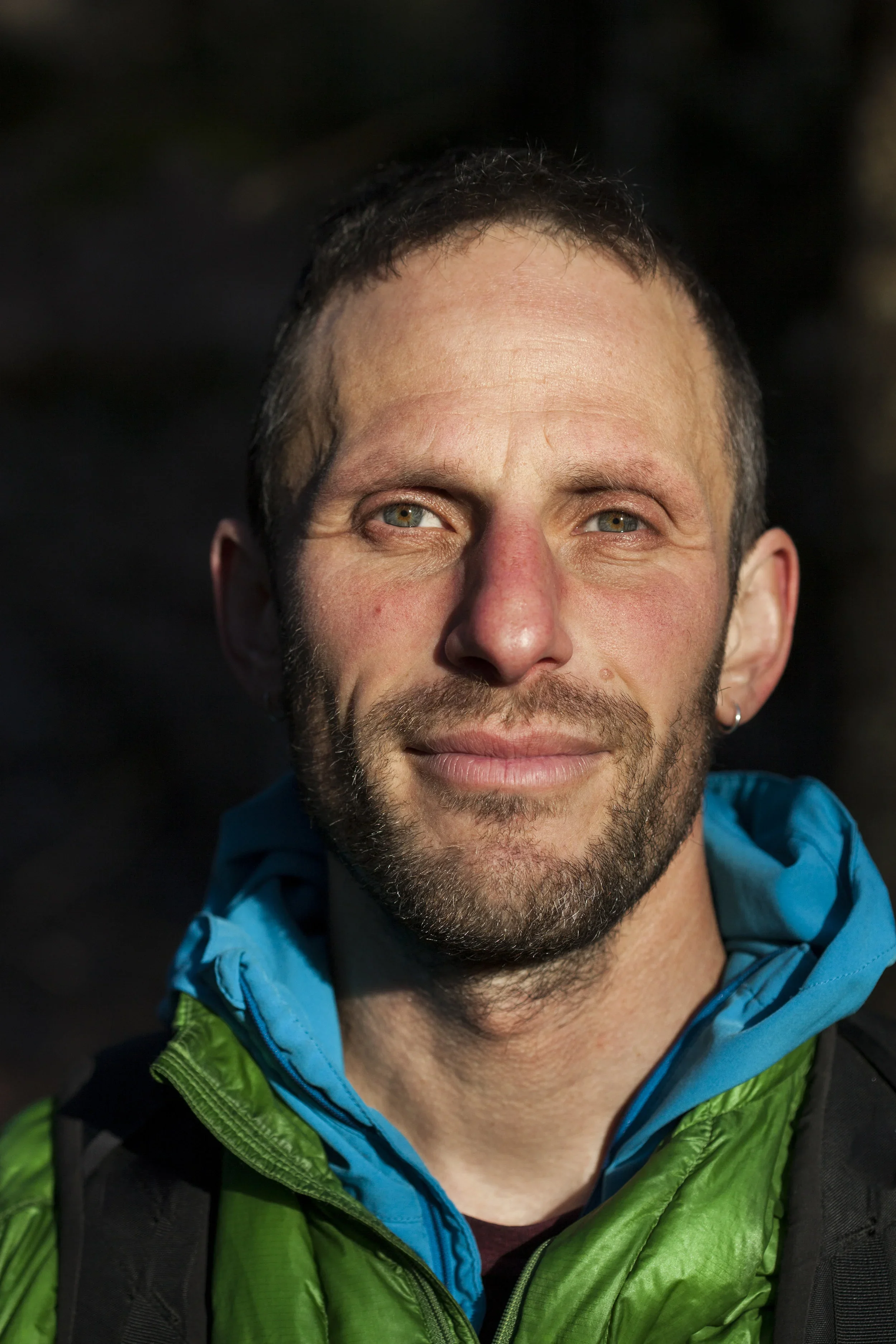
David Moskowitz
Team leader of the Mountain Caribou Initiative. He is a biologist, photographer and the author of five books including Caribou Rainforest. David has contributed his technical expertise to a wide variety of wildlife studies focusing on using tracking and other non-invasive methods to study wildlife ecology and promote conservation.
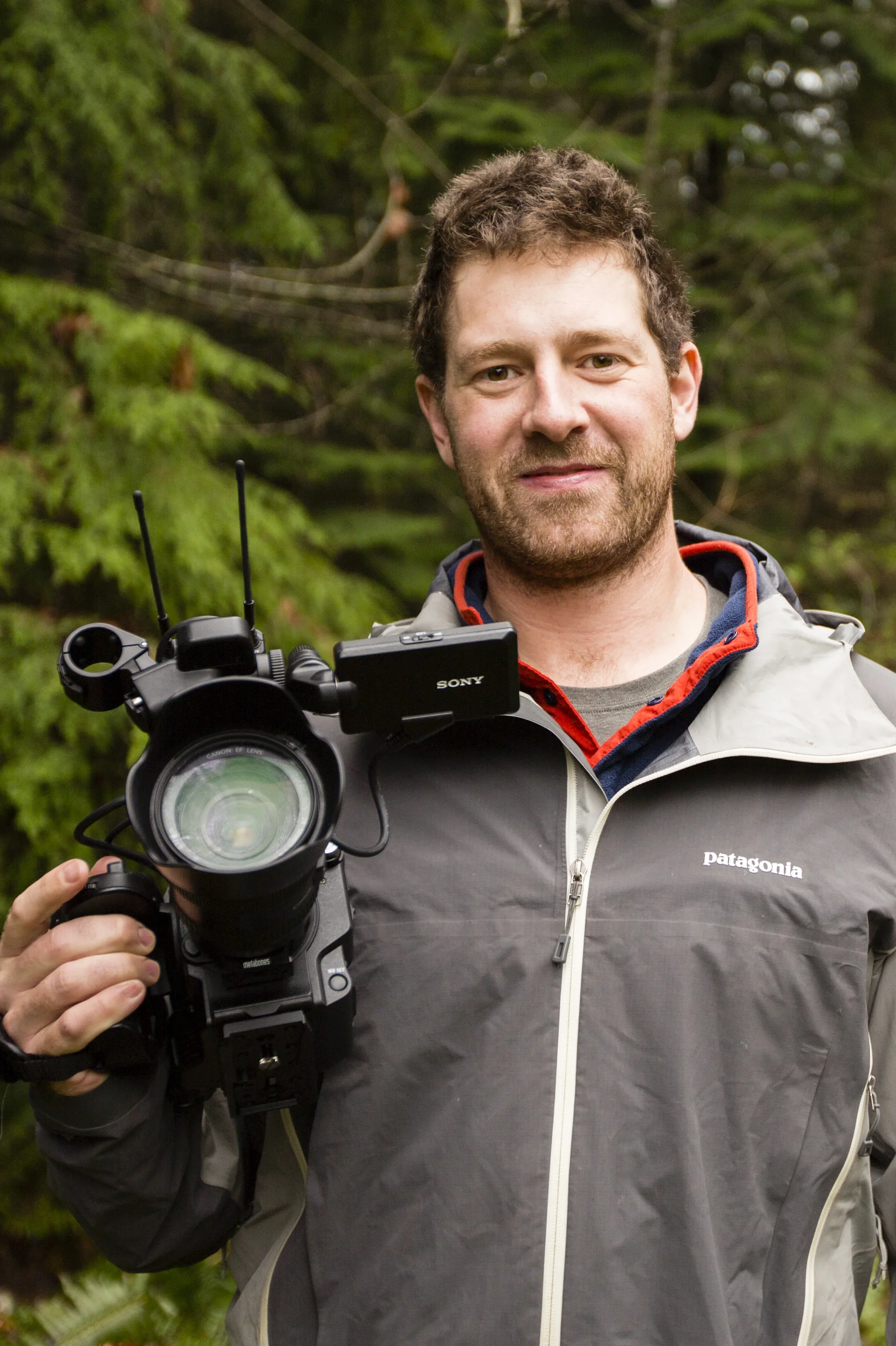
Colin Arisman
An environmental and adventure filmmaker and the co-founder of Wild Confluence Films. His work has been shown at the Wild and Scenic Film Festival, and has won numerous awards. Colin graduated from the Wilderness Awareness School and the University of Vermont, where he earned a Summa Cum Laude degree in Natural Resource Planning. Learn more at wildconfluence.com
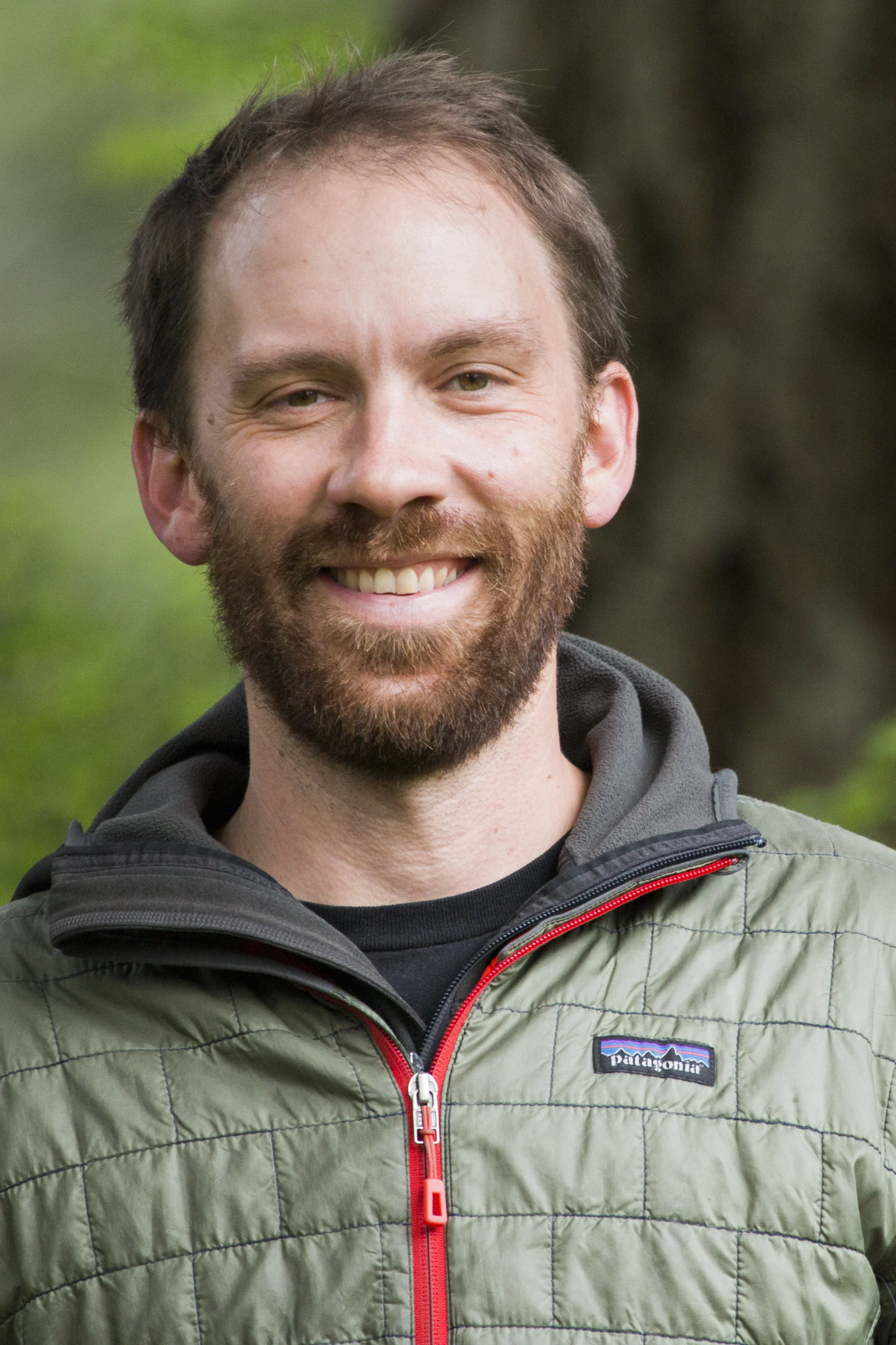
Marcus Reynerson
Has worked in the fields of wilderness education and conservation for numerous organizations across the United States for the last twenty years. He is certified as a Track and Sign Specialist and works as an evaluator for Cybertracker Conservation.
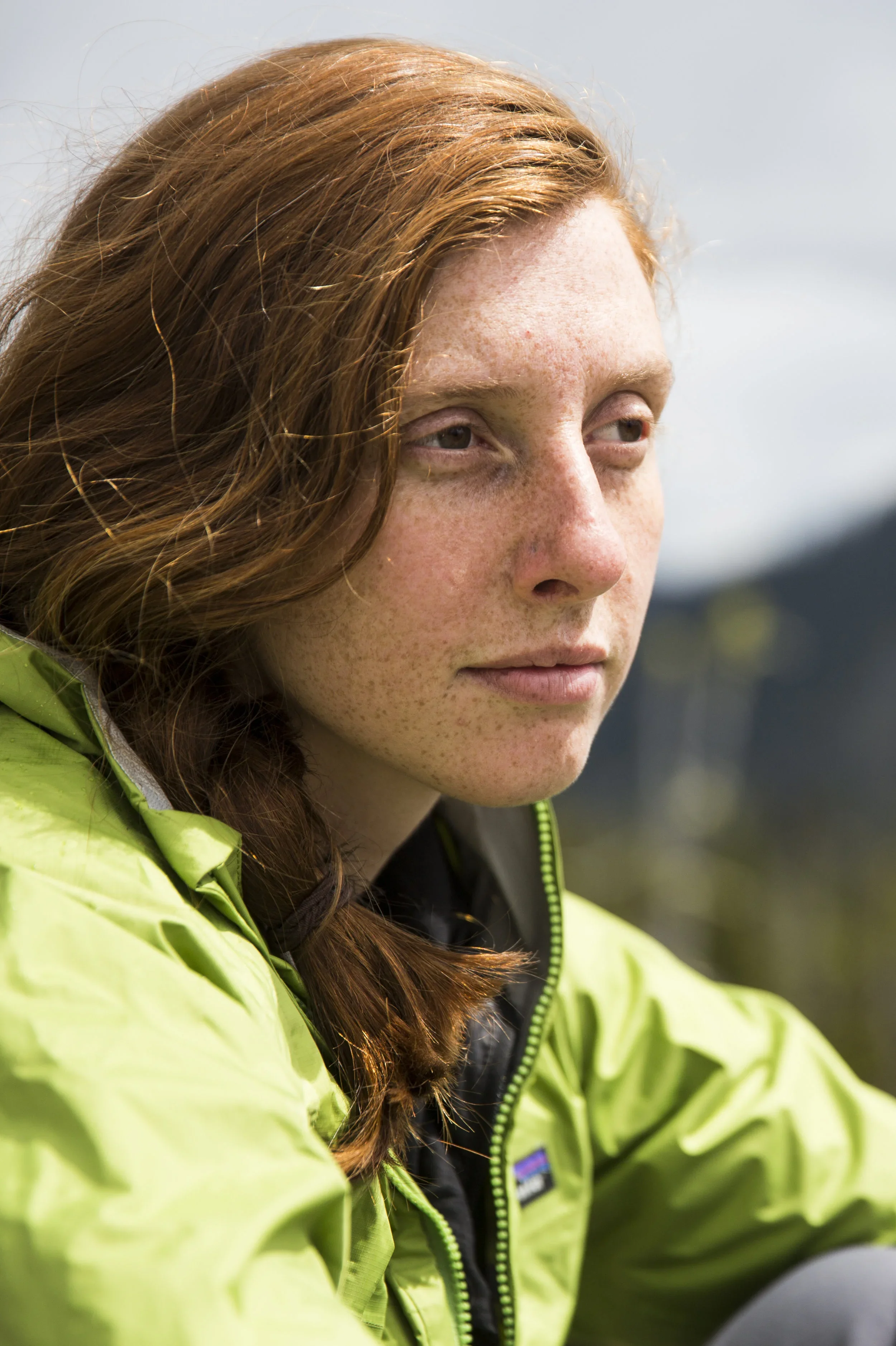
Kim Shelton
An avid naturalist, fisherwoman, and wildlife tracker. She hails from both the Leech Lake Band of Ojibwe Reservation in Northern Minnesota and the North Yorkshire Moors in the U.K.
We extend our sincere appreciation to our sponsors, without whom many of these results would not be possible.